-
Aufstieg: 291 hm
-
Abstieg: 240 hm
-
Länge der Tour: 23,6 km
-
Höchster Punkt: 789 m
-
Differenz: 166 hm
-
Niedrigster Punkt: 623 m
Schwierigkeit
mittel
Kondition
mittel
Panoramablick
viel
Saisonale Eignung
-
JAN
-
FEB
-
MRZ
-
APR
-
MAI
-
JUN
-
JUL
-
AUG
-
SEP
-
OKT
-
NOV
-
DEZ
Merkmale Touren
Fernwanderweg
Etappentour
Aussichtsreich
Parkplätze vorhanden



Hier befindet sich auch
 }
}
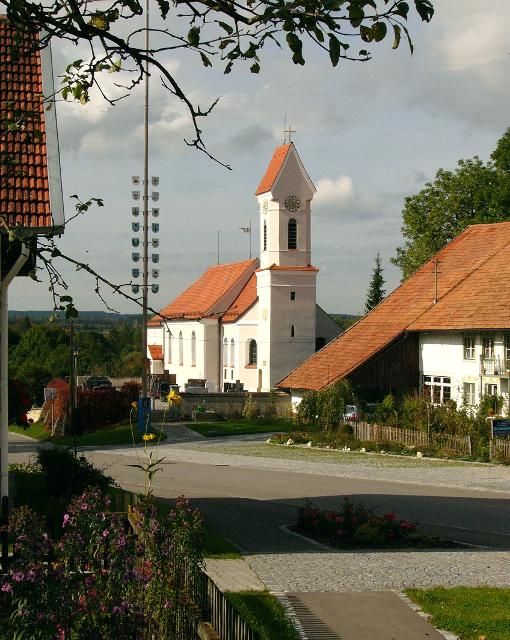
Filialkirche St. Vitus Mundraching
Germany
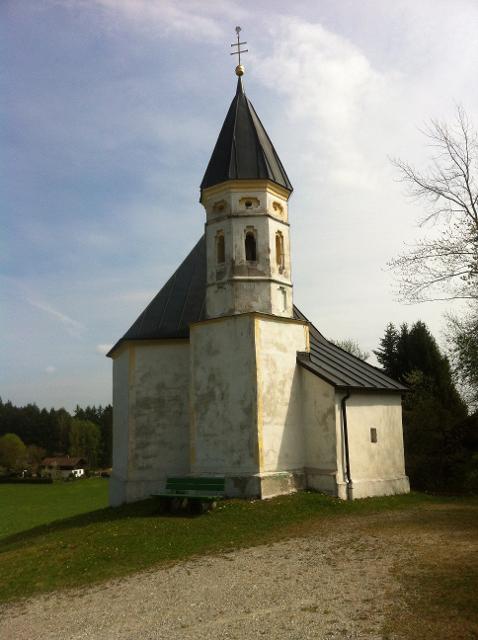
Auf der Nordwestseite des Dorfes liegt die Filialkirche St. Vitus. In ihr sind fünf Bauperioden zu erkennen. So stammt der spägotische Chor aus der zweiten Hälfte des 15. Jahrhunderts. 1691/92 wurde von dem bekannten Barockbaumeister Johann Schmuzer aus Wessobrunn – gleichzeitig mit der Wallfahrtskirche Vilgertshofen – das Kirchenschiff umgebaut und der Stuck restauriert. Es handelt sich bereits um den dritten Bau an dieser Stelle nach einer romanischen und gotischen Vorgängerin. 1720 folgt der Anbau einer Sakristei, 1801 der Bau des Ostturms mit Satteldach und 1957 die Verlängerung des Gotteshauses nach Westen.Die Kirche zeichnet sich aus durch eine sehr plastisch wirkende Stuckdekoration von 1692, vorwiegend aus Blättern, Muscheln und Engelsköpfen. Auf dem barocken Hochaltar steht eine Holzfigur des Kirchenpatrons aus 1724. Die Seitenaltäre des Stukkateurs Tassilo Zöpf aus Stuckmarmor stammen aus der abgebrochenen Wessobrunner Klosterkirche. In der Kirche befinden sich außerdem Holzfiguren des Schnitzers Johann Luidl, wie etwa die beiden Hauptfiguren St. Vitus und St. Michael, seine Frühwerke. Ein besonderes Einzelkunstwerk ist ein Bild von Mutter Anna mit Maria und dem Jesuskind aus der spätgotischen Zeit um 1430.
 }
}
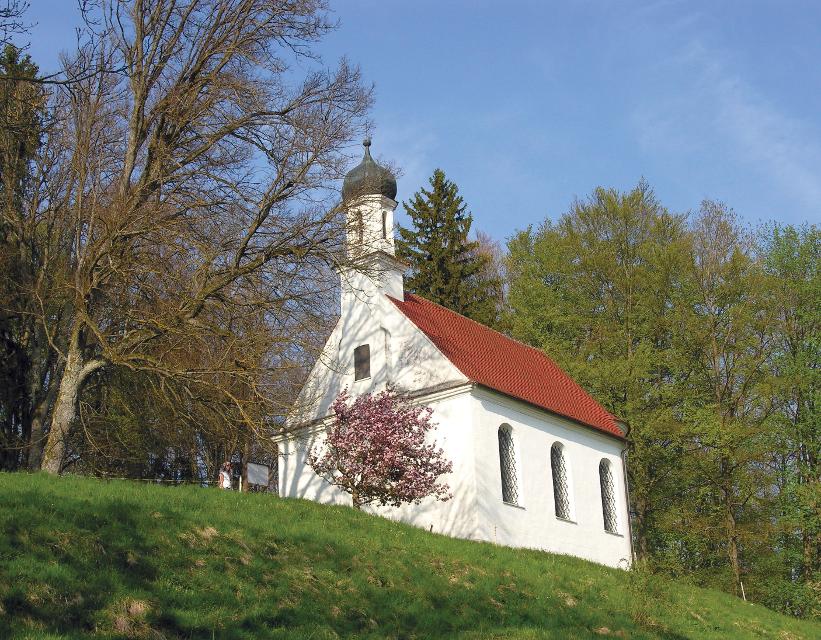
Lorenzkapelle
Germany
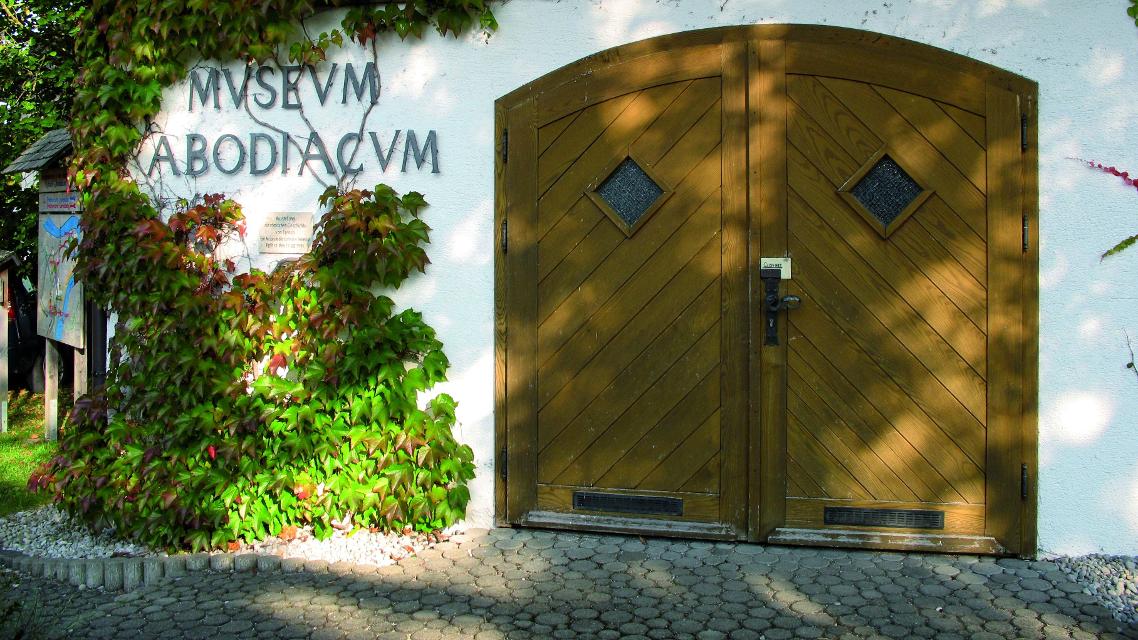
Die Lorenzkapelle auf dem gleichnamigen Berg in Epfach zieht die Besucher an. Die Spuren der ersten großen römischen Ausgrabungen von 1830 prägen noch heute die Gestalt des Lorenzberges. Die interessantesten Funde zeugen im Epfacher Museum Abodiacum von einer großen Vergangenheit und erzählen spannende Geschichten rund um die bedeutende Via Claudia Augusta.
 }
}
 }
}
Rastplatz am Lech - Mühlfleck bei Kinsau
Germany
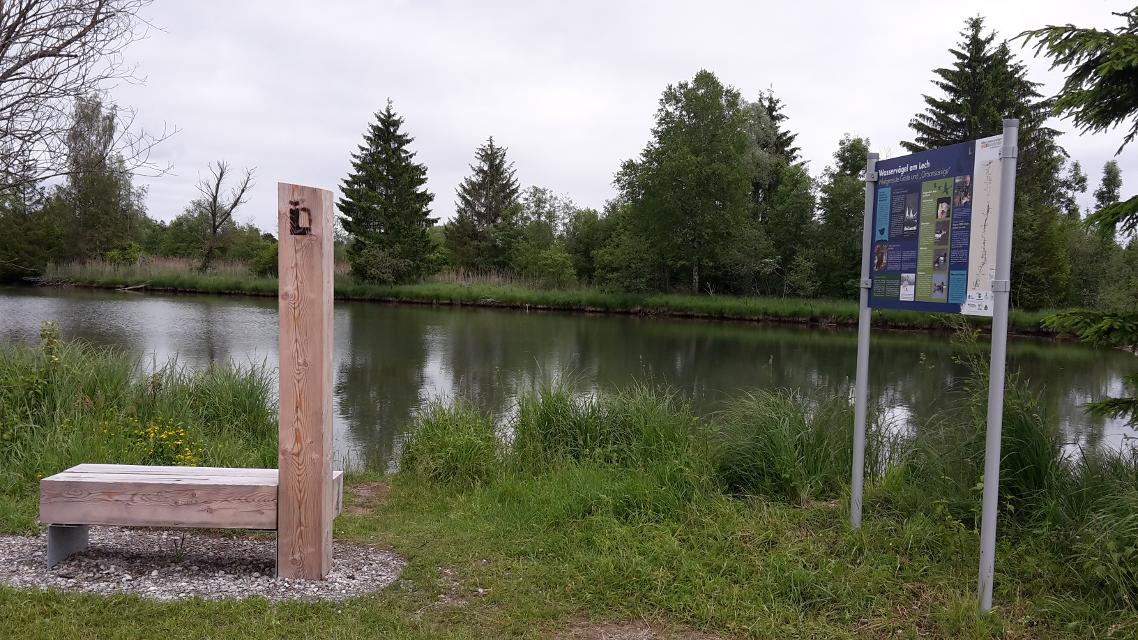
Fluss – See – Land Obwohl an dem vor uns liegenden Wasser kaum eine Strömung zu erkennen ist, handelt es sich eigentlich doch um einen Fluss: Den Lech. Seit dem Bau der Lechstaustufe Apfeldorf im Jahr 1944 wird der Lech hier jedoch aufgestaut, um ein Wasserkraftwerk zu betreiben. Vom Fl...
 }
}
Pfarrkirche Kinsau
Germany
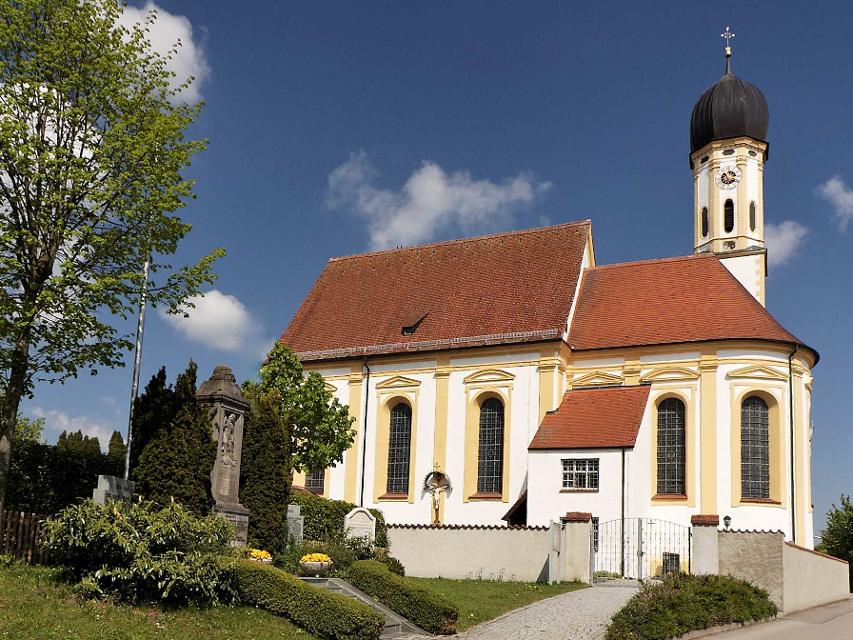
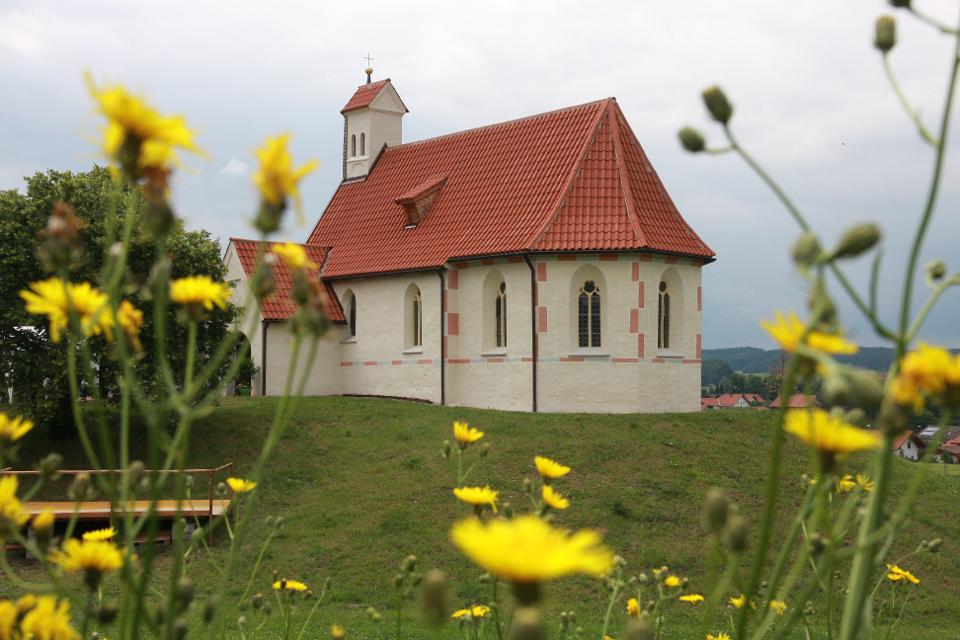
St. Matthäus“, Kinsau, ist die südlichste der sechs Pfarreien, welche seit 2007 die Pfarreiengemeinschaft Lechrain bilden. Die Kirche, der mächtige Pfarrhof und der „Schlosswirt“ prägen das imposante Panorama auf den Uferlinien des frühzeitlichen Lechverlaufs, wenn man sich Kinsau von der „oberbayerischen zur schwäbischen Seite“ des Lechs (so sagte man früher) über die Lechbrücke nähert.
 }
}
 }
}
Kapelle St. Ursula
Germany
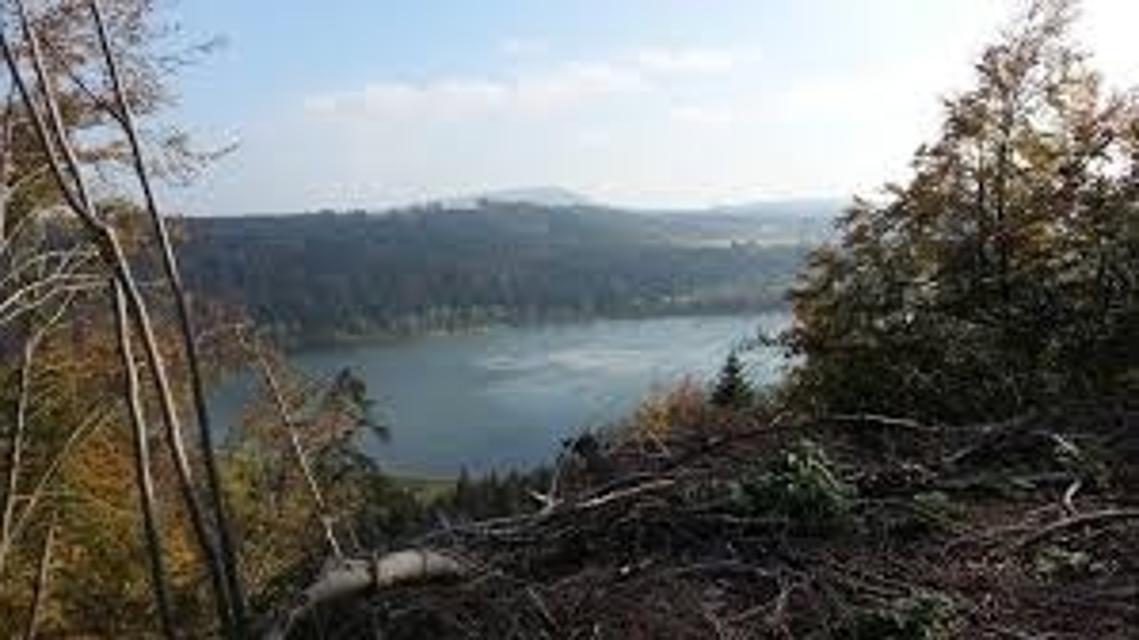
Dieses beachtenswerte spätgotische Bauwerk wurde im Jahre1520 erstellt. Das Glanzstück der Kapelle bildete der laut Inschrift 1521 verfertigte Altar, ein charakteristisches Werk der letzten Gotik auf dem Lande. Die in den vergangenen Jahren zweimal durch Kirchendiebstähle heimgesuchte Kapelle ste...
 }
}
Schwalbenstein (774 m)
Germany
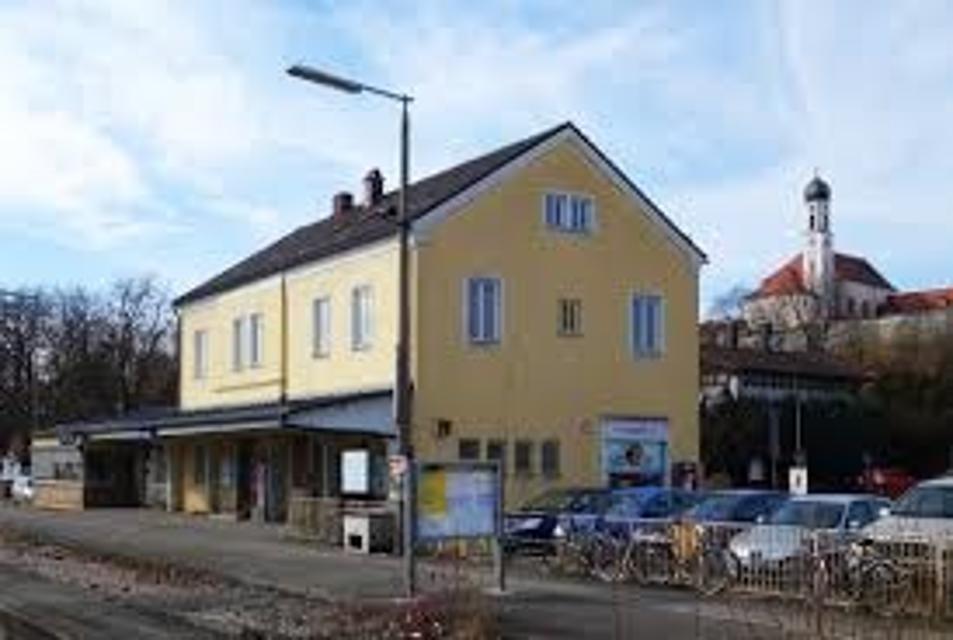
Andere Zeiten – andere Landschaft Der Schwalbenstein (774 m ü. NHN) Trinkwasserquelle der Gemeinde Hohenfurch von 1902 bis 1996 Die Quelle und das damit verbundene Wasserrecht erwarb die Gemeinde Hohenfurch 1902 von der Stadt Schongau für 2000 Mark. Das Wasser floss dem na...
 }
}
Bahnhof Schongau
Bahnhofstraße 17, 86956 Schongau, Germany
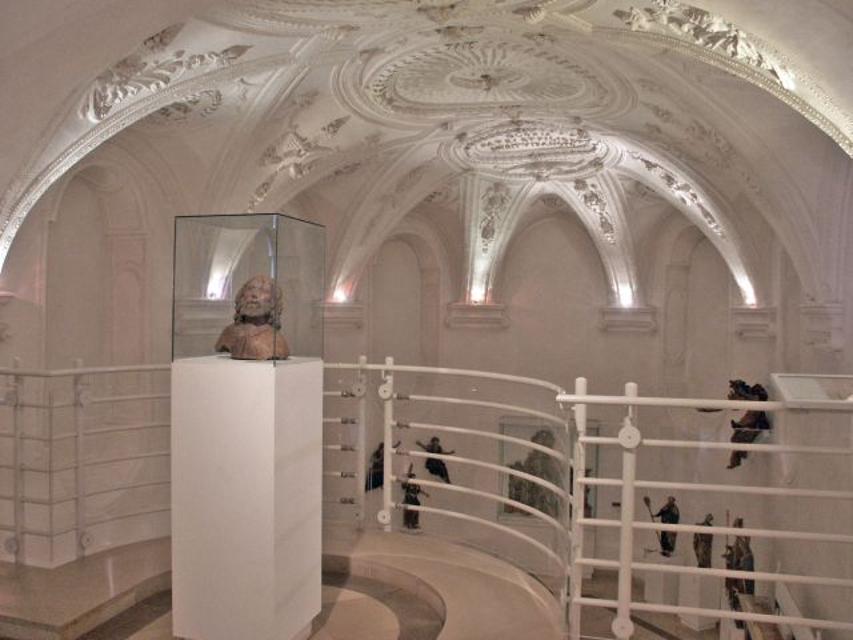
Der Bahnhof Schongau ist der Bahnhof der oberbayrischen Stadt Schongau. Im Durchgangsbahnhof trifft die Bahnstrecke Landsberg am Lech–Schongau auf die Strecke Schongau-Peißenberg. Außerdem war der Bahnhof Schongau Endpunkt einer heute stillgelegten Bahnstrecke aus Kaufbeuren. Der Bahnhof verfügt über drei Bahnsteiggleise an zwei Zwischenbahnsteigen. Er gehört der Bahnhofskategorie 5 der DB Station&Service an und wird täglich von ungefähr 20 Regionalverkehrszügen der Bayerischen Regiobahn (BRB) bedient.
 }
}
 }
}
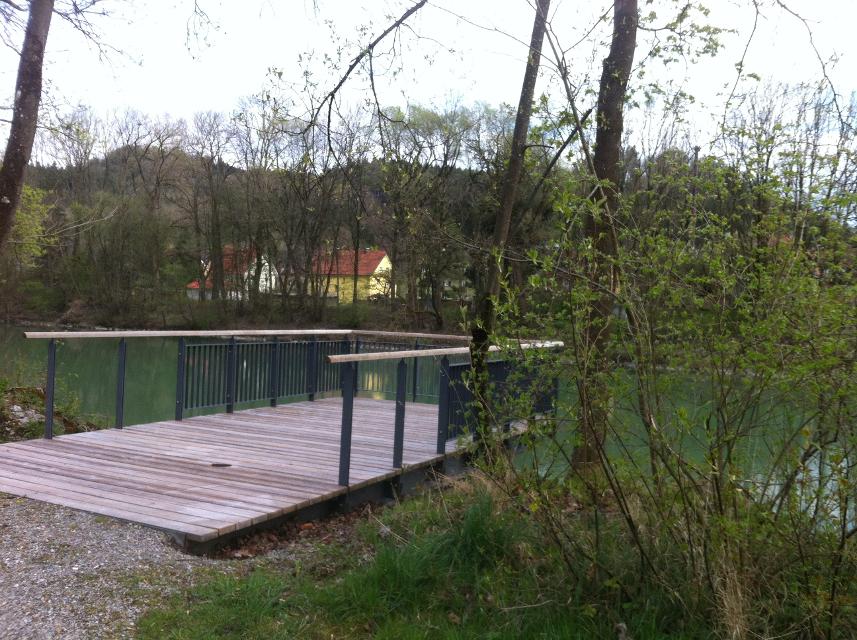
Aussichtsplattform
Germany
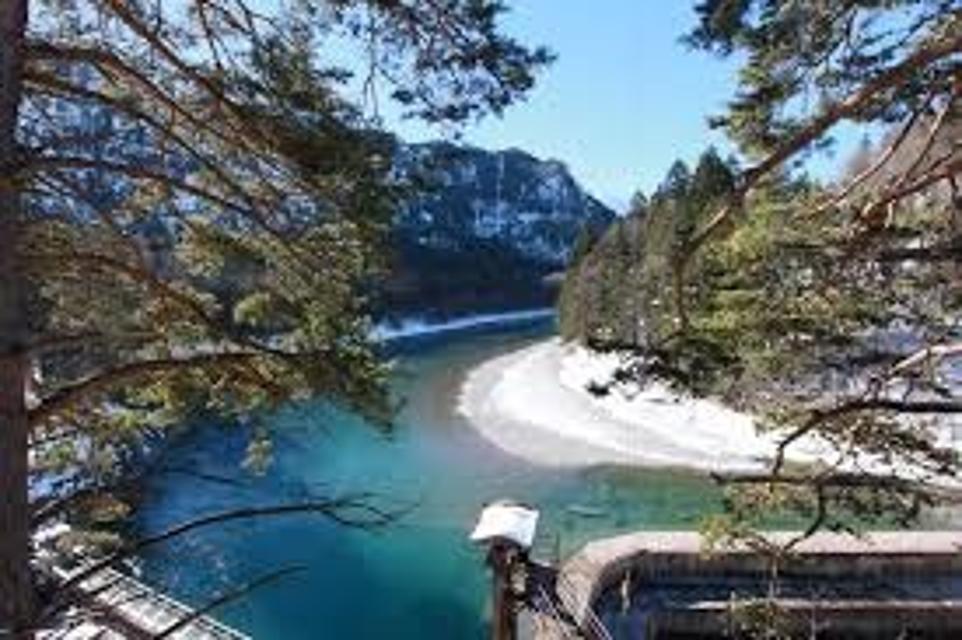
Der Lech als Wirtschaftsmotor – einst und jetzt Der Lech ist seit jeher „Motor“ der heimischen Wirtschaft. Schon im Mittelalter begann man seine positiven Eigenschaften nutzbar zu machen, auch wenn die regelmäßigen Hochwasser viel Übel mit sich brachten. Zu den direkt v...
 }
}
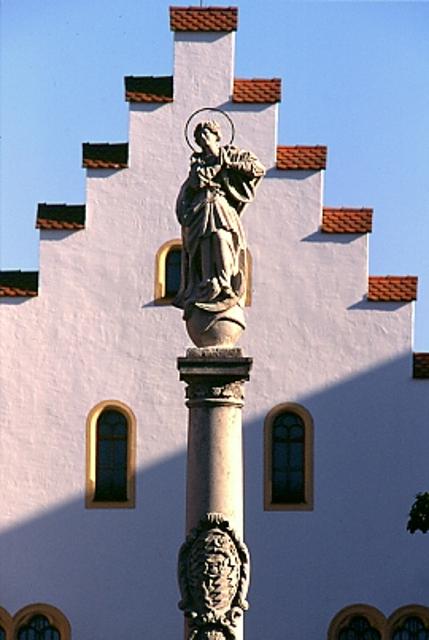
Schongau - die mittelalterliche Stauferstadt
Marienplatz, 86956 Schongau, Germany
Angefangen hat es im heutigen Altenstadt, dem alten Schongau (bis 1220; Name von Schönach-Gau). Im Jahr 1179 verkaufte der erbenlose Welf VI. seine Herrschaft an den Staufer Kaiser Friedrich Barbarossa. Das Nachsehen hatt der welfische Vetter Heinrich der Löwe, der dann auch im Jahr darauf den Pr...
Das könnte Dir auch gefallen
"Das könnte Dir auch gefallen" überspringen }
}
 }
}
Etappe 3, Nordschleife, Heilige Landschaft Pfaffenwinkel - Von Raisting nach Herrsching
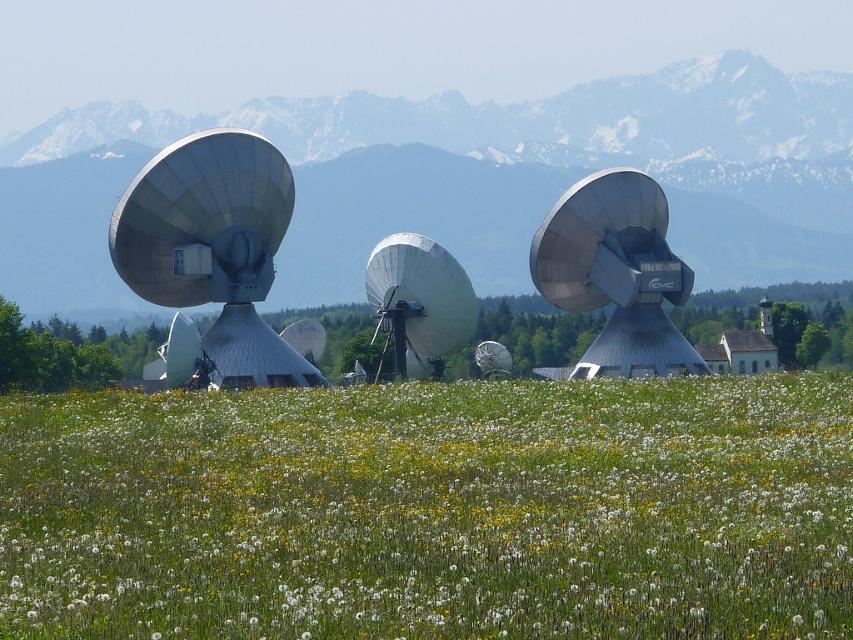
Die dritte Etappe des Fernwanderwegs Heilige Landschaft Pfaffenwinkel führt uns von Raisting über Fischen an den Ammersee. Ein bisschen Zeit sollte man auf dem Weg von Raisting an den Ammersee schon einplanen, denn neben der eindrucksvollen Landschaft, die vor allem durch die weitläufigen Ammerwiesen, die Ammer selbst und natürlich dem Ammersee geprägt ist, gibt es auch einige Bauwerke und Museen zu besichtigen. So befinden sich zum Beispiel in Sölb die schöne Filialkirche St. Margareta, in Fischen die Maria-Hilf-Kapelle und das Kupfermuseum, in dem die Geschichte des Kupferhandwerks bestaunt werden kann, und kurz vor Herrsching schließlich da barocke Schloss Mühlfeld. Erholung bieten die zahlreichen Strandcafés am Ammersee. Hier kann man die Seele einfach mal baumeln lassen.
4:30 h 54 hm 74 hm 14,9 km mittel
 }
}
 }
}
 }
}
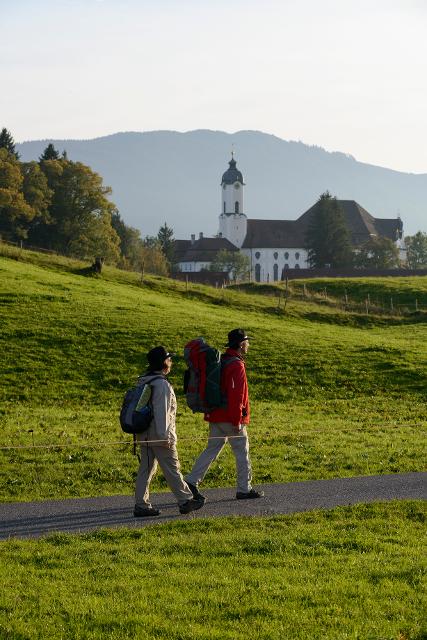
König-Ludwig-Weg, 2. Etappe: Dießen - Paterzell
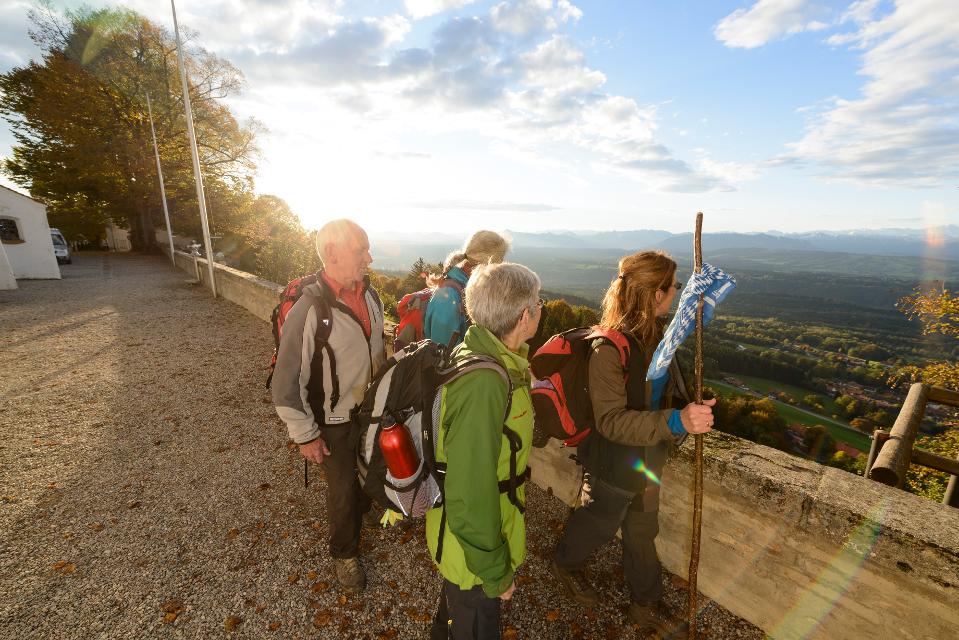
Ausrüstung: Wandern ohne GepäckKöniglicher Service - nur genießen, kein Ballast. Das Gepäck zu Ihrem jeweiligen durch den Veranstalter reservierten Hotel wird für Sie transportiert. Unbeschwert können Sie die herrliche bayerische Voralpenlandschaft entd...
4:45 h 344 hm 163 hm 17,6 km mittel
 }
}
 }
}
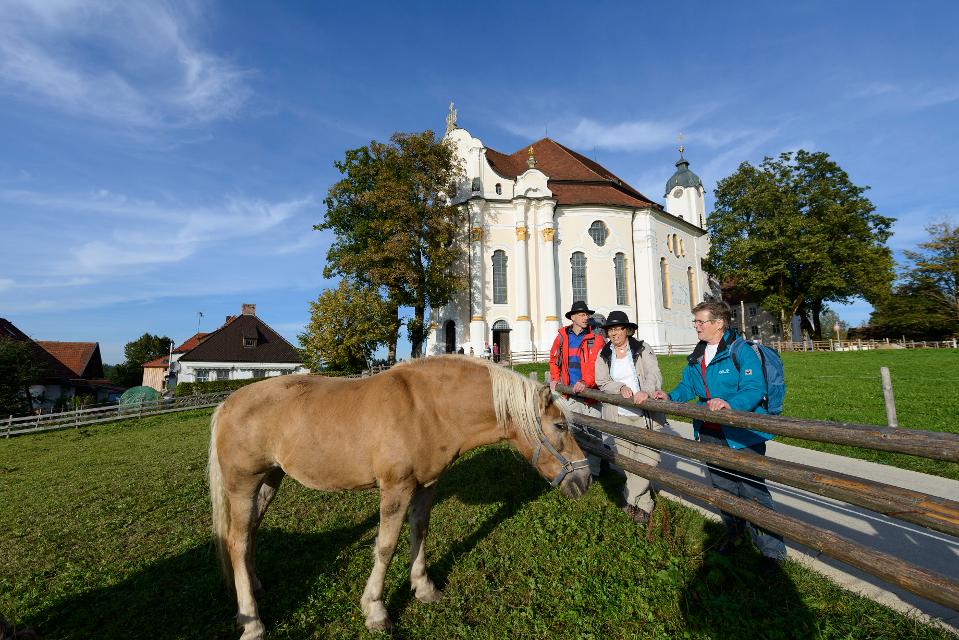
König-Ludwig-Weg, 5. Etappe, Variante: Rottenbuch - Trauchgau
Tipp des Autors: Einkehrmöglichkeiten Rottenbuch, Wildsteig, Wies, Steingaden, Prem, Halblech, Buching, TrauchgauUnterkünfte Rottenbuch Campingplatz am Richterbichl, Solder 1, Tel. 08867/1500 Ferienwohnung Donderer, von-H...
5:22 h 243 hm 218 hm 20,5 km mittel
 }
}
König-Ludwig-Weg, 5. Etappe: Rottenbuch - Prem
Durch das südliche Torgebäude wird das einstige Kloster, dann auch der Ort verlassen. Der Blick schweift zum Hohen Peißenberg und etwas später von einer Anhöhe über den Schwaigsee zu den Ammergauer Bergen. Kurz darauf ist Wildsteig erreicht, ein anmutiger Ort mit blumengeschmü...
5:51 h 202 hm 226 hm 22,4 km mittel
 }
}
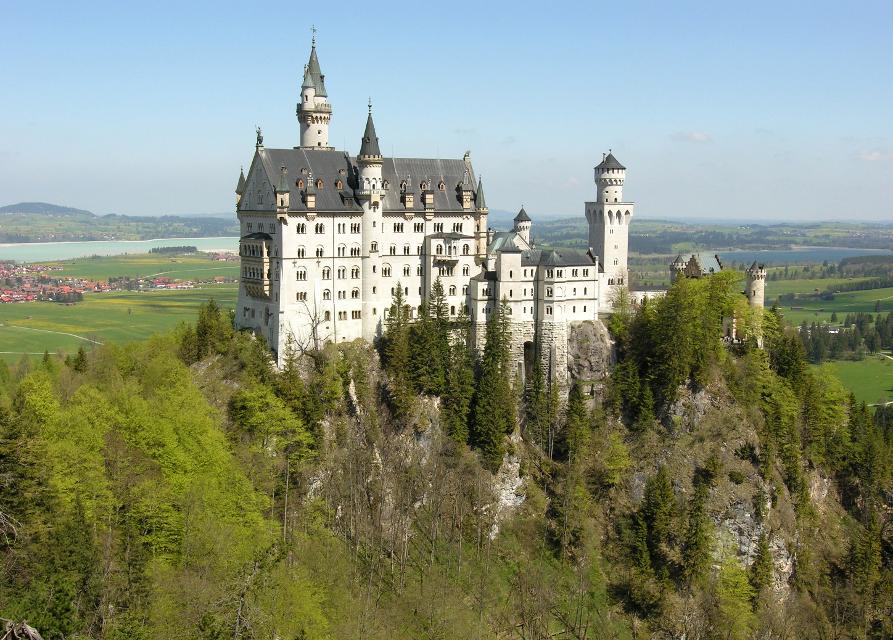
König-Ludwig-Weg, 6. Etappe, Variante: Trauchgau - Füssen
Tipp des Autors: Einkehrmöglichkeiten Halblech, Buching, Trauchgau, Schwangau, Hohenschwangau, FüssenUnterkünfte in Füssen FILSER Kurhotel, Säulingstr. 3, Tel. 08362/91250 Hotel Schlosskrone, Prinzregentenpl. 2-4, Tel. 08...
6:01 h 332 hm 332 hm 22,3 km mittel
 }
}
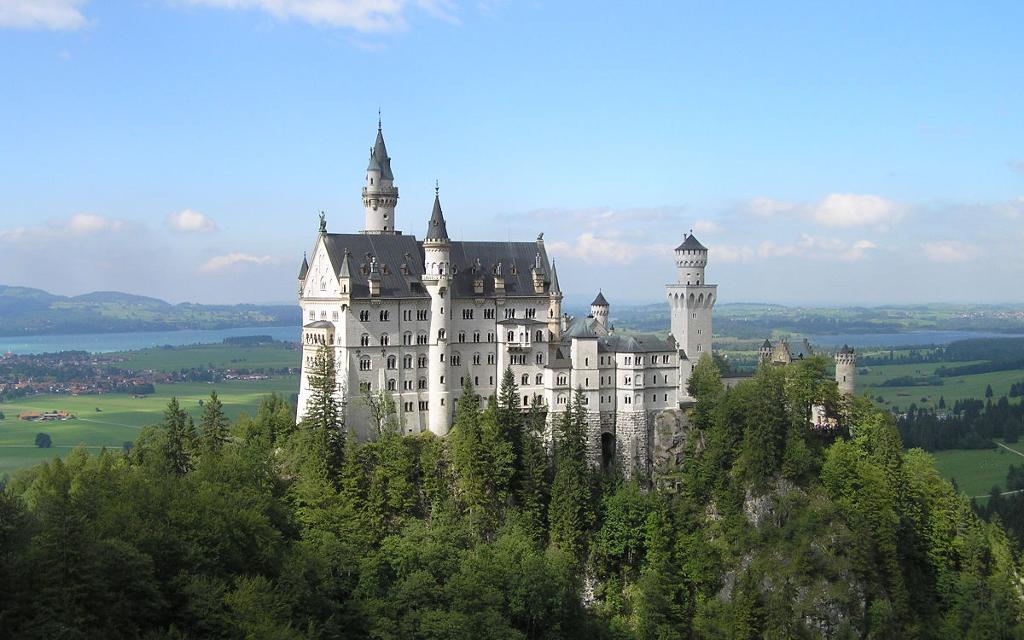
König-Ludwig-Weg, 6. Etappe: Prem - Füssen
Prem wird auf dem Weg in Richtung Südwesten verlassen Es geht zunächst am Ufer dahin, dann mit schönem Bergblick bis kurz vor Berghof. Ansteigend werden die Häuser passiert, es öffnen sich hübsche Ausblicke bis Buching und zu den Ammergauer Gipfeln, dann lädt das dunkle Moor...
6:38 h 365 hm 305 hm 24,6 km mittel
 }
}
LechErlebnisWeg
Wandern Sie durch die herrliche Fluss- und Seenlandschaft des Lechs. Natürliche Flussabschnitte, spiegelnde Seen, gemütliche Ortschaften und die historischen Altstädte von Landsberg, Schongau und Füssen bilden die malerische Kulisse dieses Fernwanderweges.
23:00 h 769 hm 496 hm 86,7 km mittel
 }
}
 }
}
 }
}
Etappe 3, Ostschleife, Heilige Landschaft Pfaffenwinkel - Von Bernried nach Penzberg-Promberg
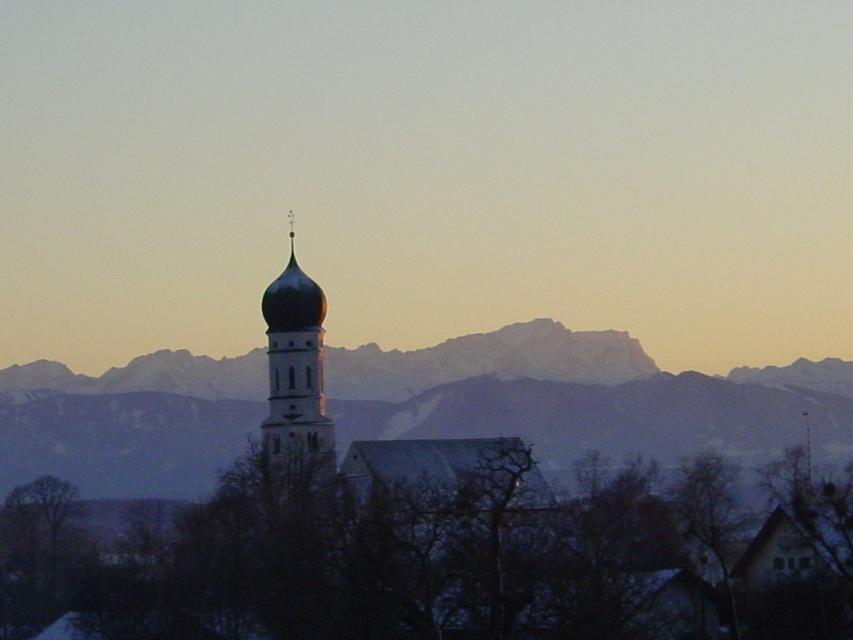
Die dritte Etappe der Ostschleife des Fernwanderwegs Heilige Landschaft Pfaffenwinkel führt uns von Bernried nach Promberg bei Penzberg. Das Highlight dieser Etappe ist der Weg entlang des Starnberger Sees. Wir genießen einen grandiosen Weitblick auf den See und das Alpenmassiv.
3:45 h 122 hm 98 hm 14,3 km mittel
 }
}
Etappe 4, Nordschleife, Heilige Landschaft Pfaffenwinkel - Von Herrsching über Andechs nach Pähl
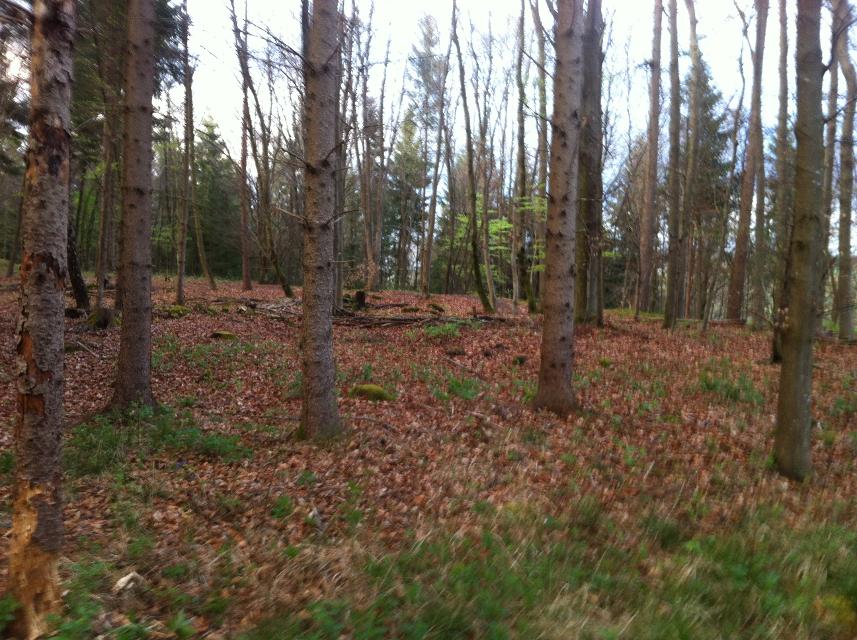
Von Herrsching wandern wir auf der vierten Etappe des Fernwanderwegs Heilige Landschaft Pfaffenwinkel durch das Kiental, eine bis zu 70m tief eingeschnittene Nagelfluhschlucht zum Kloster Andechs. Auf dem Weg nach Andechs tauschen wir das flache Gelände des Ammersees wieder gegen Wald, Wiesen und leichte Hügel. Man sollte sich genug Zeit nehmen, um das berühmte Kloster Andechs zu besichtigen und in der Klosterschänke einen guten Tropfen Bier und leckere regionale Schmankerl zu genießen. Die Geschichte des Klosters geht zurück bis in zehnte Jahrhundert und es ist dank aufwendiger Restaurierungsarbeiten heute noch sehr gut erhalten. Schweren Herzens sagen wir den Leckereien aus der Klosterküche Lebwohl, denn die Strecke führt uns weg vom Kloster Andechs und weiter nach Pähl. Der Ausblick über den Ammersee und die hügelige Landschaft des Pfaffenwinkels, die wir auf dem Weg erleben dürfen, entschädigt dafür aber allemal. Auch die kleine Hartkapelle, deren Geschichte einem kleinen Krimi gleicht und das Gut Kerschlach mit Hofladen, Bäckerei/Café und einem schön angelegten Klostergarten sind Highlights auf dem Weg. In Pähl selbst vor allem die St. Laurentius-Kirche sehenswert.
7:00 h 234 hm 187 hm 16,2 km mittel
 }
}
Etappe 5, Nordschleife, Heilige Landschaft Pfaffenwinkel - Von Pähl nach Weilheim
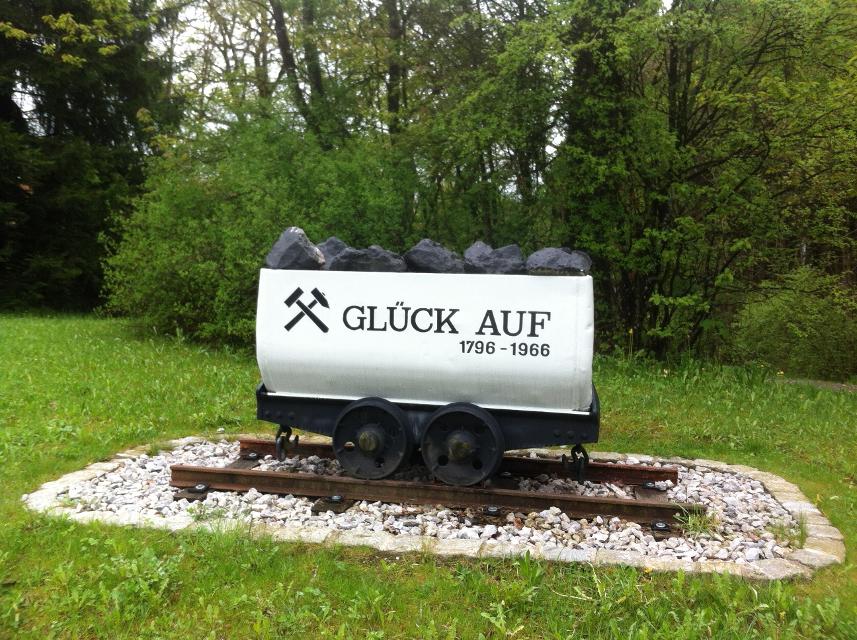
Puste ist gefragt - die 21 km der fünften Etappe von Pähl über Wilzhofen und Marnbach nach Weilheim fordern unsere Ausdauer. Dafür werden wir mit vielen schönen Ausblicken über die herrliche Hardtlanschaft und teilweise bis zu den Alpen, Sehenswürdigkeiten sowie grünen Wäldern und Wiesen belohnt. Architektonische Highlights erwarten uns in Weilheim, darunter die Pfarrkirchen Mariä Himmelfahrt und St. Pölten und der Marienplatz sowie die gut erhaltene Stadtmauer. Auch das sogenannte "Museum des Pfaffenwinkels" ist ein Besuch wert. Dort werden Exponate der Region präsentiert und die Geschichte des Pfaffenwinkels näher beleuchtet.
7:00 h 305 hm 322 hm 21,3 km mittel
 }
}
Etappe 5, Ostschleife, Heilige Landschaft Pfaffenwinkel - Von Benediktbeuern nach Iffeldorf
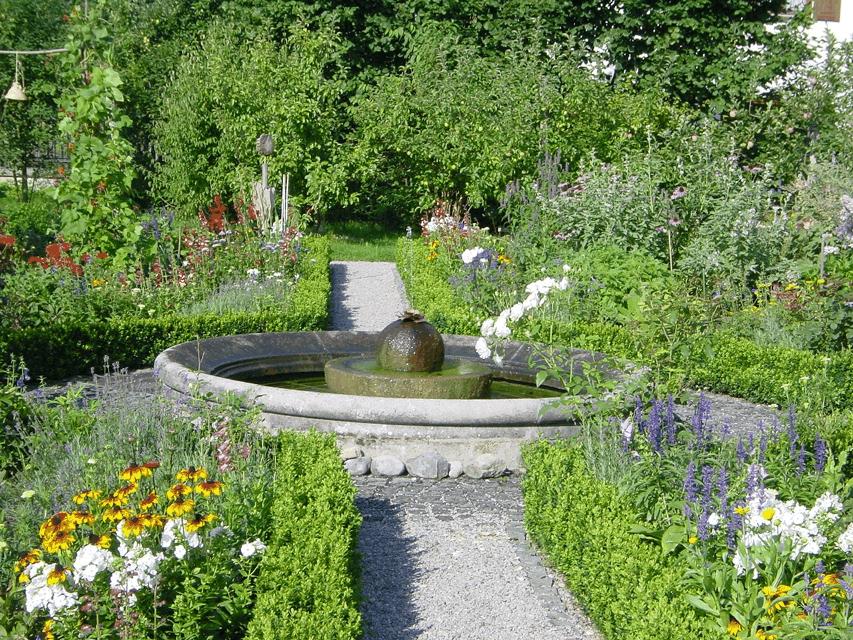
Die fünfte Etappe des Fernwanderwegs Heilige Landschaft Pfaffenwinkel Ostschleife führt uns von Benediktbeuern nach Iffeldorf. Auf dieser Etappe bestaunen wir das Kloster Benediktbeuern, die Heuwinklkapelle und die Kirche St. Vitus in Iffeldorf. In Penzberg wandern wir im Erholungsgebiet Berghalde auf den Spuren des Bergbaus und erfahren Wissenswertes zur Geschichte der Stadt Penzberg.
5:15 h 262 hm 277 hm 20,8 km sehr schwer
 }
}
Etappe 6, Nordschleife, Heilige Landschaft Pfaffenwinkel - Von Weilheim nach Peißenberg
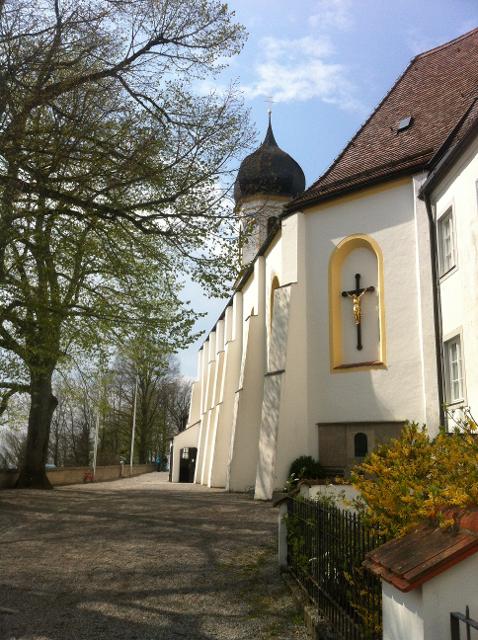
Die sechste Etappe des Fernwanderwegs Heilige Landschaft Pfaffenwinkel Nordschleife führt uns von Weilheim nach Peißenberg. Falls wir nach der langen fünften Etappe keine Zeit mehr hatten, Weilheim zu besichtigen, so lässt uns die nicht ganz so lange, sechste Etappe dafür genug Zeit im Vorfeld noch durch die Fußgängerzone und über den Marienplatz zu flanieren, die Stadtpfarrkirche Mariae Himmelfahrt zu besuchen und die Kirche St. Pölten - die älteste Weilheimer Kirche, deren Ursprünge bis ins 8. Jh. zurück gehen zu bestaunen. Danach machen wir uns auf den Weg nach Peißenberg. Unterwegs treffen wir erneut auf die Ammer und können in Polling das sehenswerte Klosterdorf (Kloster Heilig Kreuz) und die Stiftskirche St. Salvator der Augustiner Chorherren besuchen.
3:45 h 157 hm 141 hm 12,4 km mittel
 }
}
Etappe 7, Nordschleife, Heilige Landschaft Pfaffenwinkel - Von Peißenberg auf den Hohen Peißenberg
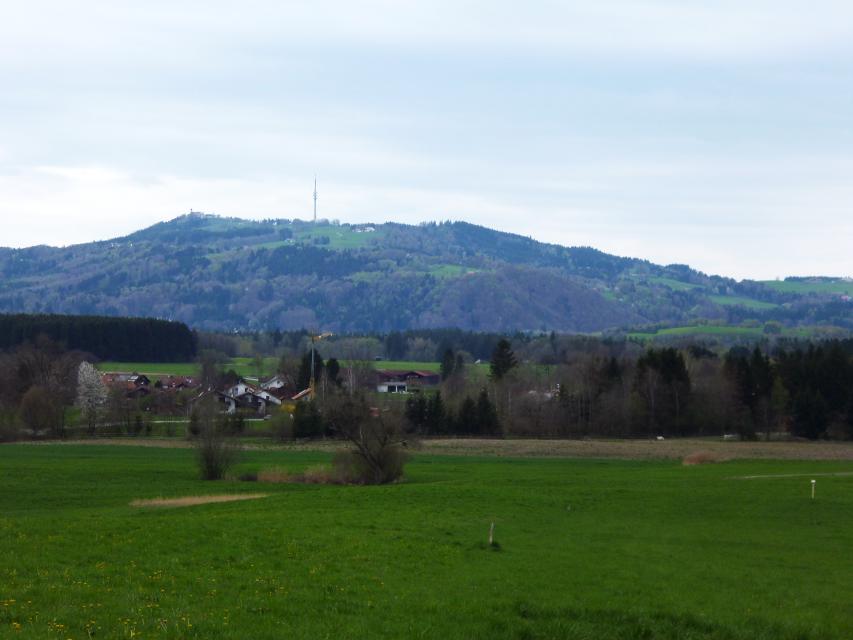
Die letzte Etappe des Fernwanderwegs Heilige Landschaft Pfaffenwinkel führt uns über eine kurze, aber dennoch anstrengende Strecke zurück zu unserem Ausgangspunkt auf dem Hohen Peißenberg. Frische Beine sind beim Aufstieg zum Hohen Peißenberg sicher nicht schlecht, allerdings nicht unbedingt ein Muß, denn die knapp 6 km und 400 hm kann man auch ganz gemütlich angehen. Je höher wir kommen umso besser wird der Ausblick über den Pfaffenwinkel und wir können noch einmal die Region überblicken, die wir in den letzten Tagen zu Fuß erkunden konnten.
3:15 h 397 hm 3 hm 7,0 km mittel
 }
}
Etappe 7, Ostschleife, Heilige Landschaft Pfaffenwinkel - Von Huglfing nach Peißenberg
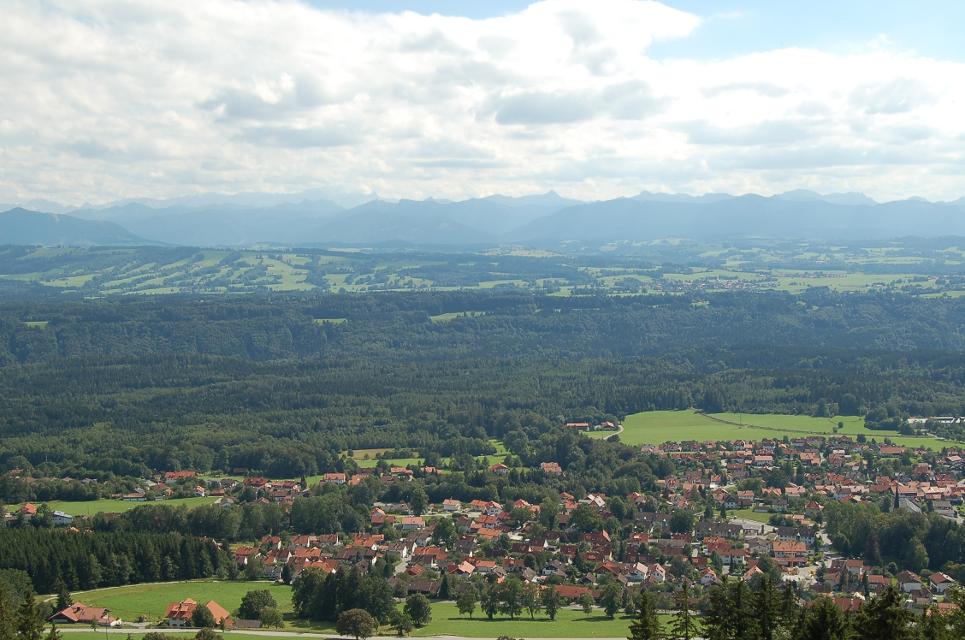
Die siebte Etappe der Ostschleife des Fernwanderwegs Heilige Landschaft Pfaffenwinkel führt uns von Huglfing nach Peißenberg zur Böbinger Ammerbrücke. Auf abwechslungsreichen Wegen wandern wir durch die malerische Hügellandschaft des Pfaffenwinkels, ehe ab Buchen der anspruchsvolle Abstieg zur Ammerbrücke beginnt.
4:00 h 389 hm 385 hm 15,3 km mittel
 }
}
Etappe 8, Ostschleife, Heilige Landschaft Pfaffenwinkel - Von Peißenberg zum Hohen Peißenberg
Die achte und letzte Etappe der Ostschleife des Fernwanderwegs Heilige Landschaft Pfaffenwinkel führt uns von Peißenberg auf den Hohen Peißenberg. Wir wandern auf abwechslungsreichen und wenig befahrenen Wegen auf den Aussichtsberg des Pfaffenwinkels, wo wir das Ziel des Fernwanderwegs erreichen.
4:00 h 409 hm 40 hm 8,9 km sehr schwer
 }
}
 }
}
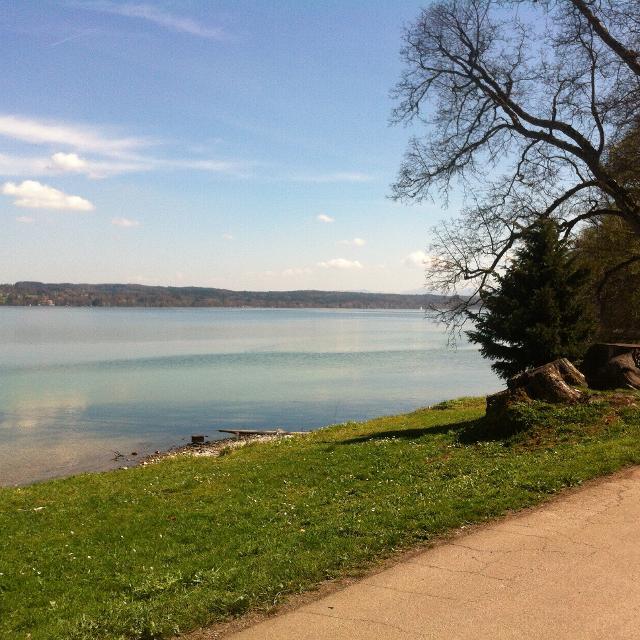
König-Ludwig-Weg, 4. Etappe: Hohenpeißenberg - Rottenbuch
Diese Tagesetappe sorgt für ungeante Natureindrücke. Bitte die Sicherheitshinweise beachten!
3:45 h 191 hm 201 hm 12,8 km sehr schwer
 }
}
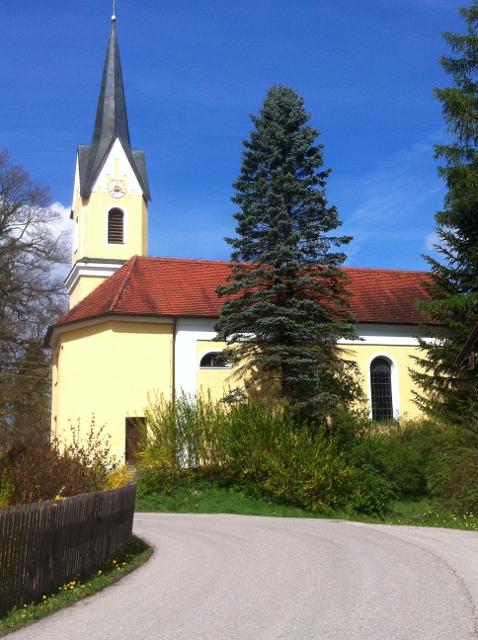
Etappe 2, Ostschleife, Heilige Landschaft Pfaffenwinkel - Von Weilheim nach Bernried
Die zweite Etappe des Fernwanderwegs der Ostschleife Heilige Landschaft Pfaffenwinkel führt uns von Weilheim in Oberbayern nach Bernried. Weitläufige Moor- und Sumpfgebiete, idyllische Seen und malerische Wälder begleiten den Weg zum Starnberger See. Auf dieser Etappe führen uns die Vielzahl an Kapellen und Kirchen vor Augen, wie der Pfaffenwinkel zu seinem Namen kam.
5:45 h 212 hm 181 hm 22,5 km mittel
 }
}
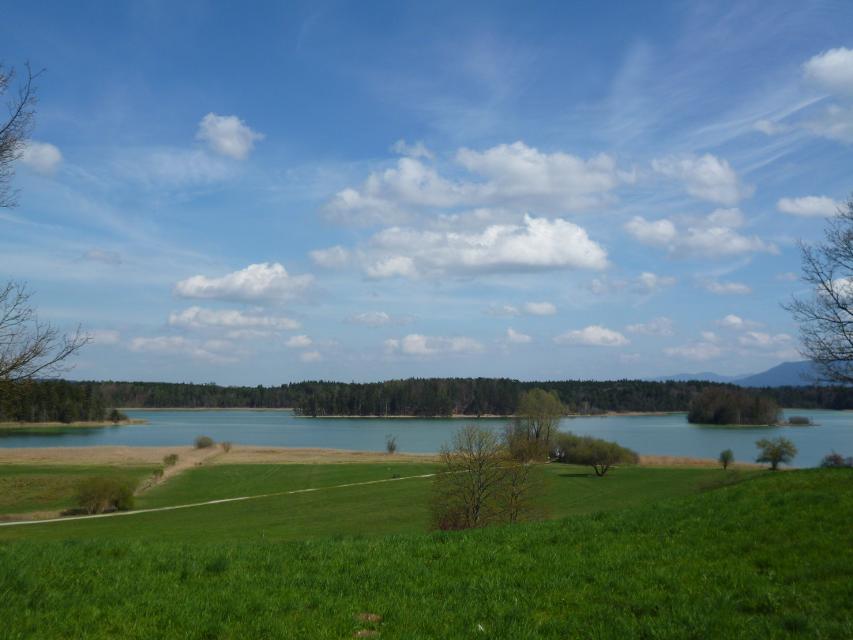
Etappe 4, Ostschleife, Heilige Landschaft Pfaffenwinkel - Von Penzberg-Promberg nach Benediktbeuern
Die vierte Etappe der Ostschleife des Fernwanderwegs Heilige Landschaft Pfaffenwinkel führt uns von Promberg zur Klosteranlage in Benediktbeuern. Auf dem Weg kann man die Kirche in Nantesbuch und die Filialkirche St. Georg in Bichl bestaunen, ehe eine der beliebtesten Sehenswürdigkeiten des Pfaffenwinkels erreicht wird.
3:45 h 56 hm 61 hm 13,7 km mittel
 }
}
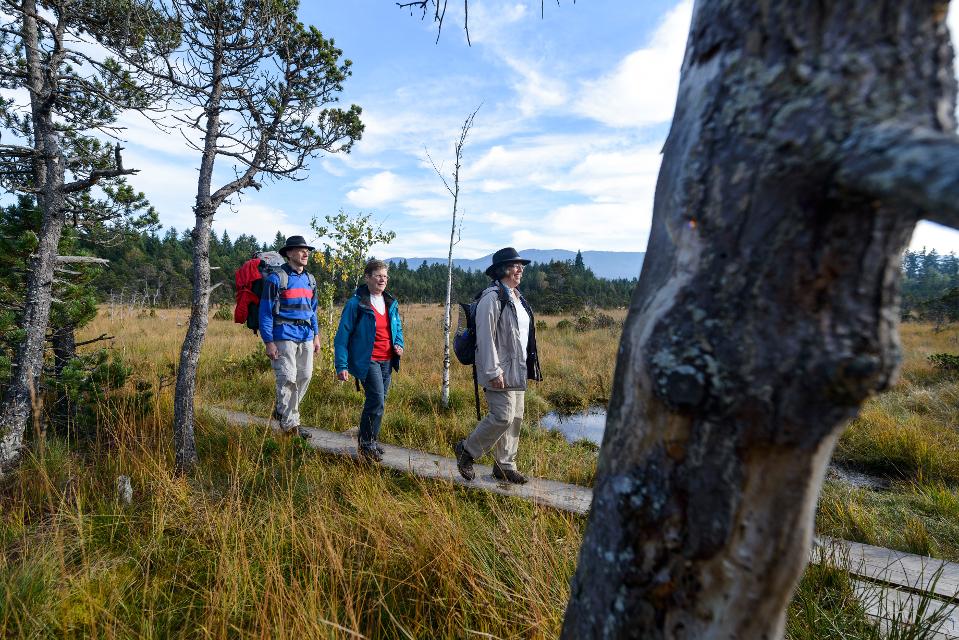
Etappe 6, Ostschleife, Heilige Landschaft Pfaffenwinkel - Von Iffeldorf nach Huglfing
Die sechste Etappe der Ostschleife des Fernwanderwegs Heilige Landschaft Pfaffenwinkel führt uns von Iffeldorf nach Huglfing, durch das wunderschöne Gebiet der Osterseen und durch dichte Wälder. Diese Tour verspricht viel Natur im Pfaffenwinkel.
5:45 h 386 hm 385 hm 25,7 km sehr schwer
 }
}
Westschleife "Wilde Flüsse" - Heilige Landschaft Pfaffenwinkel
Drei Mehrtageswanderungen führen durch die schönsten Ecken des oberbayerischen Pfaffenwinkels, dessen Kultur über Jahrhunderte durch zahlreiche Klöster geprägt wurde. Die ruhigen Wanderwege verbinden Kirchen, Klöster und Kraftorte in der Natur. Die drei Pilgerwege starten und enden am Hohen Peißenberg, der einen Rundblick über die gesamte Region bietet und als bedeutender Wallfahrtsort dafür prädestiniert ist. „Wilde Flüsse“ - Ammer und Lech prägen die Landschaft der Westschleife. Die etwas kürzeren, aber hügeligeren und anspruchsvolleren 6 Tagesetappen mit 76 km verbinden Highlights wie die wild-romantische Ammerschlucht, den Brettleweg durch das Wiesfilz oder die Besteigung des Auerbergs mit den Klosterorten Rottenbuch, Steingaden und Schongau und den bedeutendsten Kirchen der Region u.a. dem UNESCO Welterbe Wieskirche.
21:01 h 1306 hm 1337 hm 76,0 km
 }
}
Etappe 1, Ostschleife, Heilige Landschaft Pfaffenwinkel - Vom Hohen Peißenberg nach Weilheim
Die erste Etappe der Ostschleife des Fernwanderwegs Heilige Landschaft Pfaffenwinkel führt uns vom Hohen Peißenberg nach Weilheim in Oberbayern. Wir durchqueren die sanfte Hügellandschaft des Voralpenlandes und genießen herrliche Ausblicke auf das Alpenmassiv. Auf dem Weg kommen wir an mehreren Kapellen vorbei, wandern an der Ammer entlang und können wir die Kirchen Peißenbergs und Pollings bestaunen.
5:10 h 66 hm 466 hm 18,8 km mittel